
Introduction: Brake pads and suspension springs face heat, flexing, stone impact, and road-salt exposure. The epoxy powder you choose must hold up under those conditions, including at edges, holes, and contact points.
A brake pad backing plate often arrives with stamped edges, mounting holes, and masking zones. A suspension spring flexes in service and takes stone chips from the road. An engine component may see heat, oil, coolant, and vibration. The coating must stay bonded, resist impact, and keep corrosion away from the substrate through those conditions. VeriCoating RAL 3001 EP0S-320024 is a pure epoxy powder for interior automotive functional parts such as brake pads, engine components, and springs. It offers GT0 initial adhesion, 50 kg·cm direct impact resistance, ≥H pencil hardness, ≥5 mm cupping, and 1000-hour neutral salt spray at C2-C4 in single-layer use. For C4-C5 or long outdoor durability, use it with a compatible topcoat system.
How Automotive Part Conditions Shape Epoxy Powder Selection
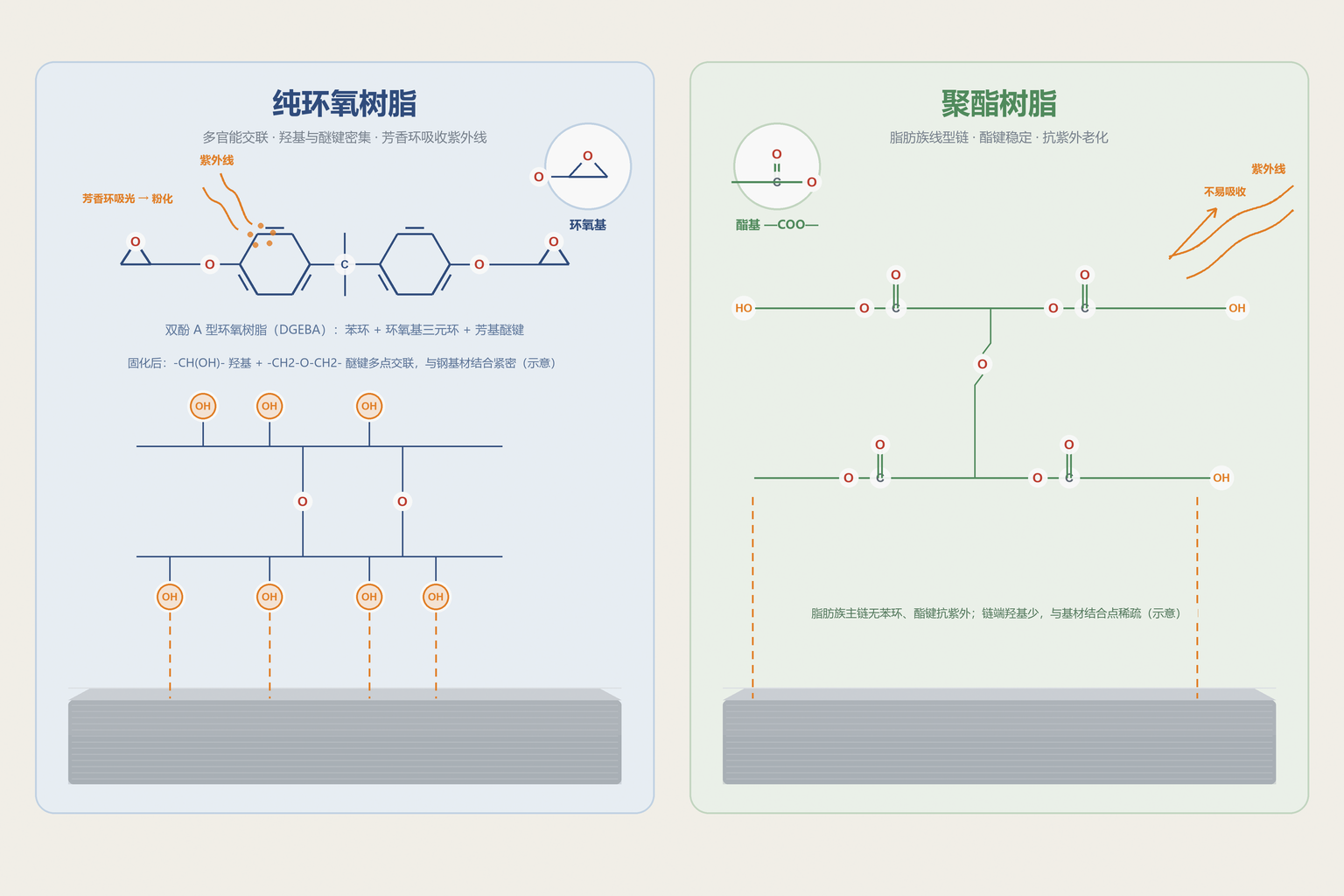
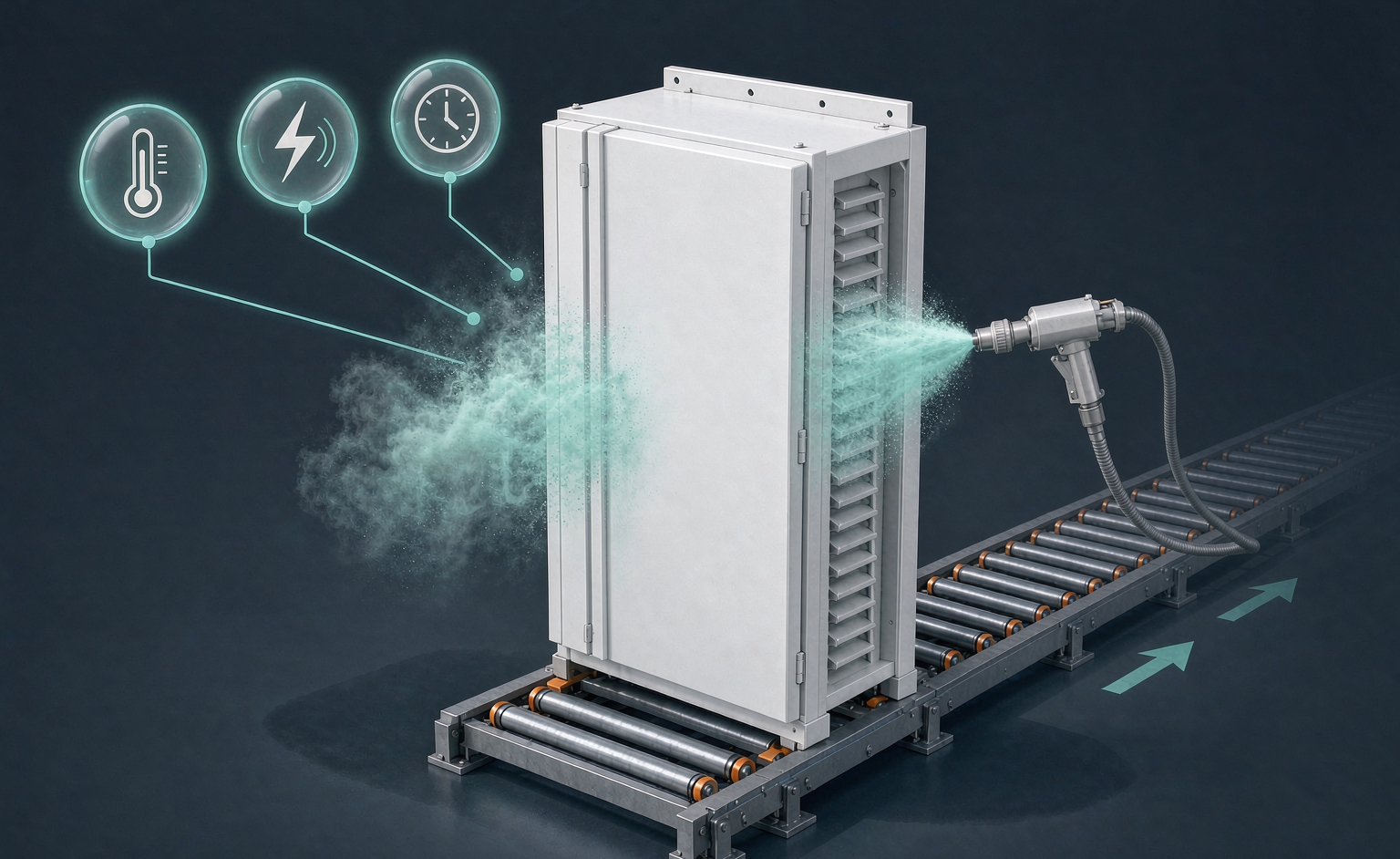
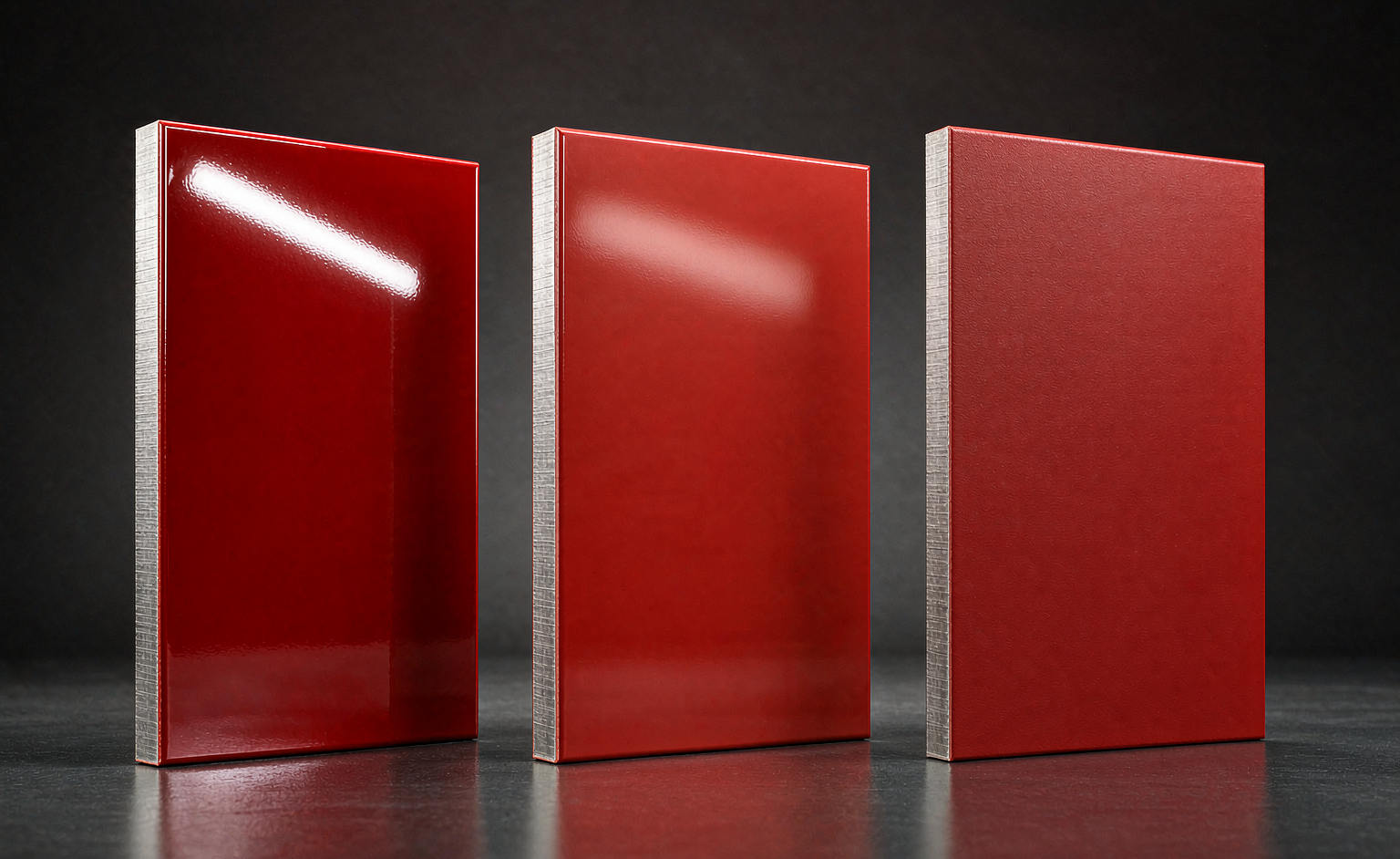
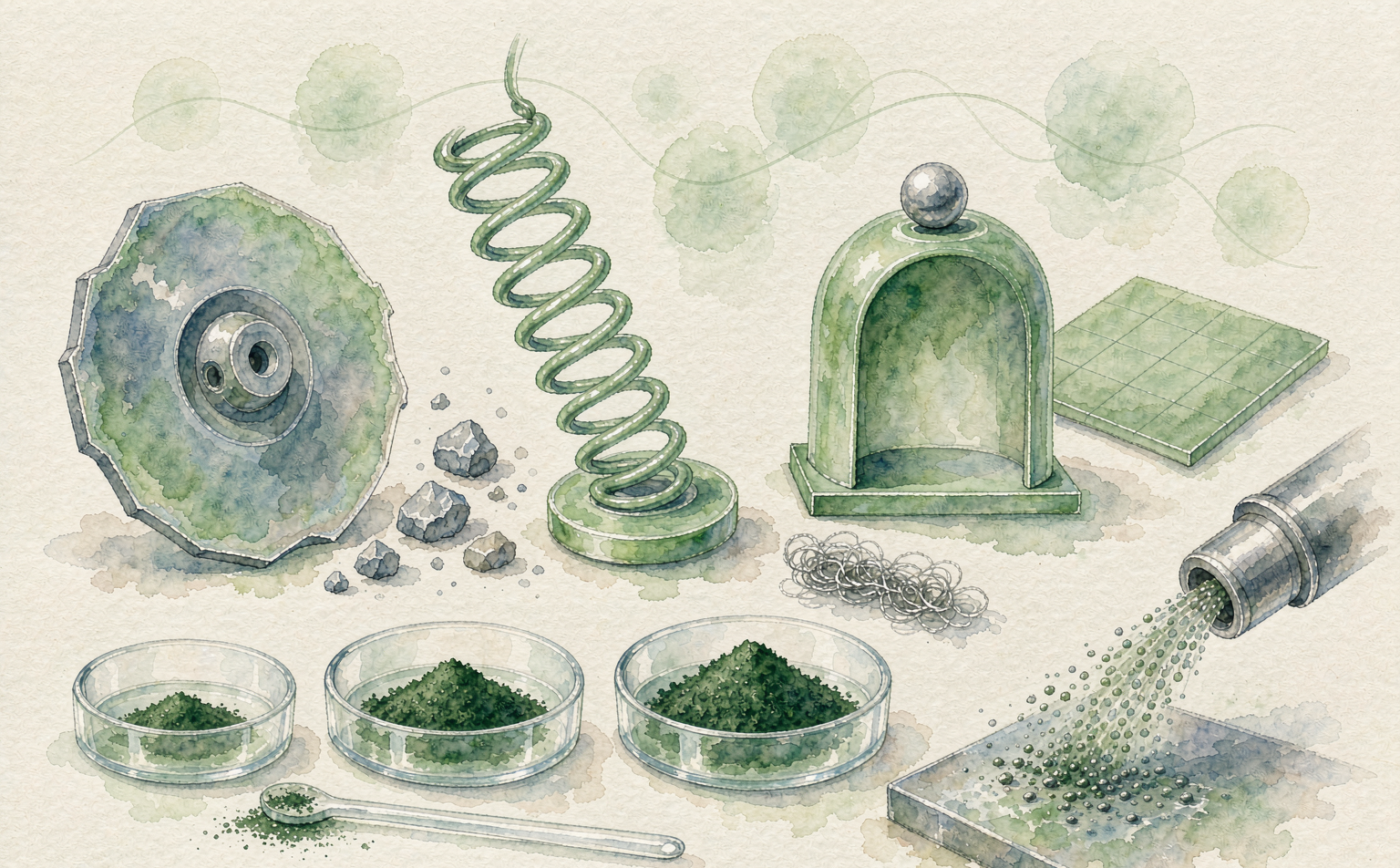
Automotive functional parts ask different questions from decorative panels. A brake pad backing plate needs a coating that holds onto stamped steel through assembly, vibration, and brake dust. A suspension spring needs a film that can flex with the coil without cracking or losing adhesion at the edges. An engine component may face heat, oil, coolant, and repeated handling before it reaches the vehicle. Mechanical integrity and corrosion protection matter most at sheared edges, holes, and contact points. A pure epoxy powder system fits interior functional parts because it delivers strong adhesion, high hardness, impact resistance, and barrier protection in one layer for C2-C4 conditions. When comparing powder coating manufacturers or powder coating powder suppliers, the decisive question is which powder matches the part’s service condition, substrate, and production line. VeriCoating RAL 3001 EP0S-320024 is designed for interior automotive parts, including brake pads, springs, and engine components. It cures at a standard 200°C × 10 min part temperature and can be applied by manual or automatic electrostatic spray or fluidized-bed dip coating. The RAL 3001 signal red color provides clear visual identity where color coding helps. Pure epoxy is an interior or primer system. For long outdoor exposure or C4-C5 conditions, a compatible topcoat extends the system. These application references cover the part families the powder is built for; vehicle-model approval remains part-specific.
How Adhesion, Impact, Hardness, and Salt Spray Results Support Brake Pads and Springs
The test data that matter for brake pads and springs address four practical risks: coating loss during handling, cracking during flexing, surface damage from impact, and corrosion at damaged or cut edges. VeriCoating EP0S-320024 carries GT0 initial adhesion under ISO 2409:2020, 50 kg·cm direct impact under GB/T 1732, ≥H pencil hardness under ISO 15184:2020, ≥5 mm cupping under ISO 1520:2006, and 1000-hour neutral salt spray at ISO 9227 C2-C4 for standard single-layer use. Read these results together. Adhesion keeps the film on the substrate. Hardness and impact resistance help it survive handling and service knocks. Cupping shows the film can deform with the metal instead of cracking. Salt spray shows the coating can block corrosion in the conditions it is designed for. For C4-C5 or long outdoor durability, the same epoxy works as part of a compatible topcoat system.
1. Why GT0 Adhesion Matters for Spring and Brake Pad Substrates
GT0 is the top adhesion result in the ISO 2409 cross-cut test, meaning the coating stays intact when the test tape is pulled away. For a suspension spring, that matters because the part flexes. The coating must move with the steel rather than lift at a bend or coil end. For a brake pad backing plate, adhesion must survive stamped edges, rivet or mounting areas, and assembly friction. A film with weak adhesion can look fine on a flat test panel yet fail at a sheared edge or a masked boundary. GT0 initial adhesion gives engineers a strong starting point and gives procurement staff a clear specification when comparing a RAL 3001 powder coat with another epoxy powder for automotive functional parts.
2. How 50 kg·cm Impact Resistance Supports Automotive Component Handling
A brake pad or spring is dropped, stacked, racked, and assembled before it reaches the vehicle. Direct impact resistance of 50 kg·cm means the coating can take a defined impact without losing adhesion from the substrate under the test condition. That helps brake pad backing plates handled in bins and springs moved in bundles. Pencil hardness of ≥H adds surface resistance against scraping and light abrasion. A cupping result of ≥5 mm without visible cracking shows the coating can follow a formed metal surface. Together, these properties support the daily reality of automotive part production: parts are handled, stacked, and assembled, then exposed to vibration, road splash, and corrosion in service. A pure epoxy system built to this profile is a practical match for interior functional parts.
How Surface Preparation and Edge Coverage Affect Coating Durability
Even a strong epoxy powder depends on what happens before the powder gun or fluidized bed. Oil, rust, mill scale, and blasting dust can sit between the metal and the film, and that interface is where adhesion fails first. AMPP SP10 provides the industry baseline for abrasive blast cleaning and surface preparation on steel. The same principle applies to automotive functional parts: clean the substrate, create the right anchor profile, and keep the prepared surface clean before coating. For brake pads and springs, the substrate may be stamped steel, spring steel, or a cast or forged component, and each may need a different preparation and masking plan. The protective coatings guide from the Australasian Corrosion Association makes the same point in system terms: the coating is only as good as the surface it bonds to. Edge coverage is the other half of the durability picture. Cut edges, punched holes, and coil ends are where corrosion often starts because a thin film leaves the substrate exposed. The edge coverage value of this coating helps the powder build a continuous film over those difficult geometries rather than pulling back from the edge. With a film thickness range of 60–500 μm, applicators can build a robust layer for interior functional parts and repeat coats when a specification calls for more barrier protection. Before sampling, review the substrate and masking zones with the coating engineer. Brake pads often need masking on friction surfaces or mounting areas, and springs may need controlled coverage at contact points. That review keeps the trial realistic and avoids a sample that looks perfect on a flat panel but fails on the actual part.
Conclusion
Brake pads and suspension springs reward a coating choice matched to the part and its service conditions rather than a color card alone. Confirm service conditions; check adhesion, impact, hardness, cupping, and salt spray against the specification; then review surface preparation and edge coverage before the first trial. VeriCoating RAL 3001 EP0S-320024 gives automotive parts OEMs a pure epoxy powder with GT0 adhesion, 50 kg·cm direct impact, ≥H hardness, ≥5 mm cupping, and 1000-hour NSS at C2-C4 for single-layer interior use. For C4-C5 or long outdoor exposure, plan a compatible topcoat system. If you are evaluating this powder for a brake pad, spring, or engine component, send the part drawing and masking requirements to a VeriCoating technician, request a free standard sample, and confirm MOQ, packaging, lead time, and sample freight before the production trial.
FAQ
Q: Is pure epoxy powder coating suitable for automotive brake pads and suspension springs?
A: Yes, for interior automotive functional parts such as brake pads, suspension springs, and engine components. A pure epoxy powder like VeriCoating RAL 3001 EP0S-320024 offers GT0 adhesion, 50 kg·cm direct impact resistance, ≥H pencil hardness, ≥5 mm cupping, and 1000-hour neutral salt spray at C2-C4 in single-layer use. It is an interior or primer system, so long outdoor exposure or C4-C5 conditions call for a compatible topcoat. Review substrate type and masking zones before sampling.
Q: What adhesion and impact test results should a coating specification include for epoxy powder coating?
A: Ask for the actual test methods and results rather than a general durability statement. For brake pads and springs, the key values are GT0 initial adhesion under ISO 2409, 50 kg·cm direct impact under GB/T 1732, ≥H pencil hardness under ISO 15184, ≥5 mm cupping under ISO 1520, and 1000-hour neutral salt spray at ISO 9227 C2-C4 for standard single-layer use. These tests show whether the coating stays bonded, resists handling damage, and protects the substrate in the intended service condition.
Q: Does epoxy powder coating for brake pads need a topcoat for outdoor exposure?
A: For interior brake pads and other enclosed automotive functional parts, a single-layer pure epoxy system can provide the corrosion protection described by the C2-C4 salt spray result. For long outdoor exposure or C4-C5 conditions, use the epoxy as a primer with a compatible topcoat. Pure epoxy is intended for interior or primer use; the topcoat extends the system for stronger UV and weathering demands.
Sources / References
AMPP SP10 Surface Preparation Standard
Protective coatings - a guide to project delivery