


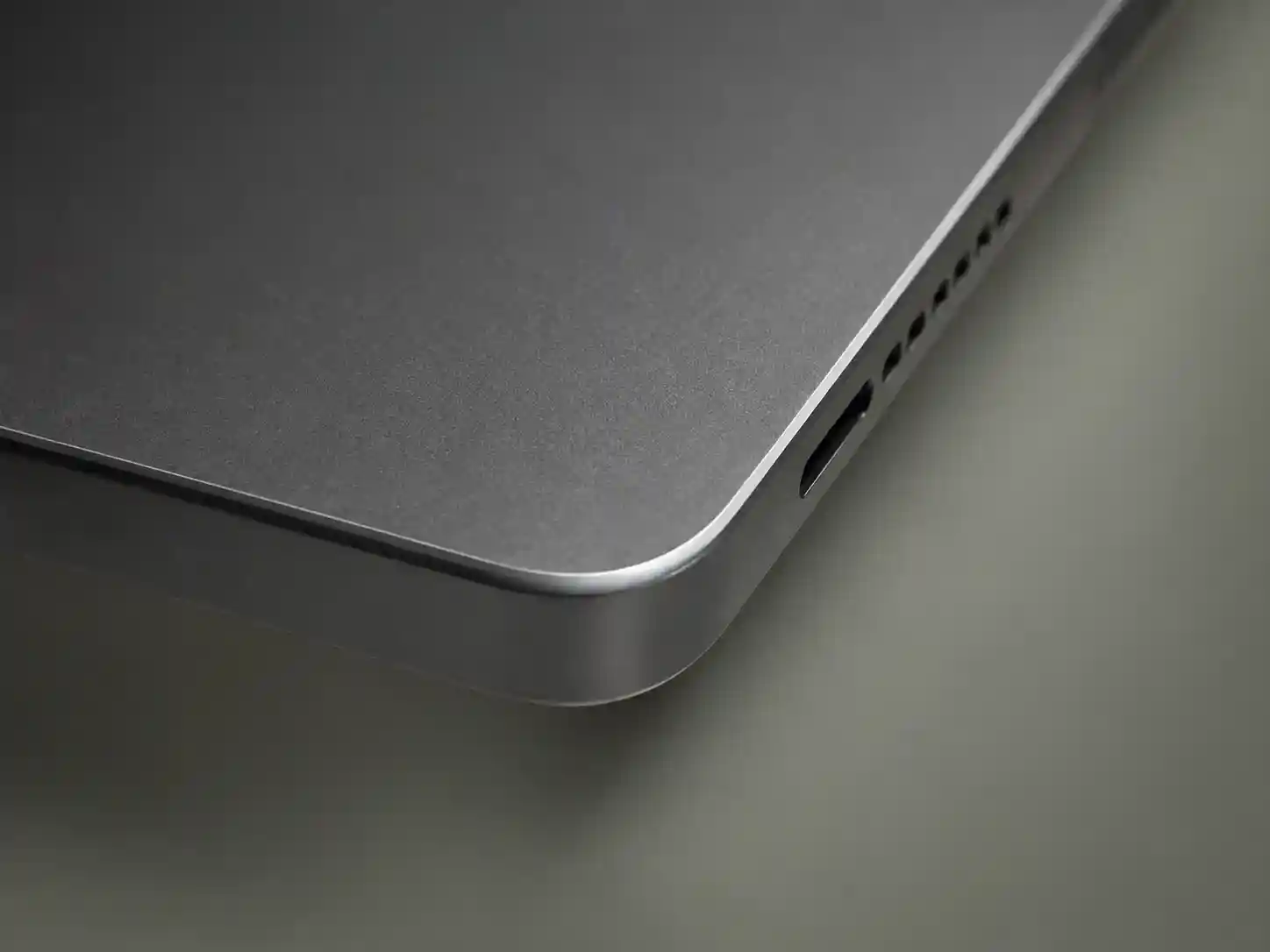
Epoxy powder coatings are used for indoor industrial metal products and protective primers where adhesion, corrosion resistance, chemical resistance and mechanical protection are important. Typical applications include steel structures, metal pipelines, industrial cabinets, transformers, furniture and appliances, automotive functional parts and primers for construction machinery.
This industrial powder coating range includes smooth and textured powder coating finishes in project-specific colors, gloss levels, film thicknesses and curing conditions. Smooth products support decorative protection, high-build application and compatibility with subsequent topcoats. Textured products can provide sand, wrinkle and orange-peel finishes while helping conceal substrate imperfections. The formulation should be validated against the substrate, pretreatment, required corrosion level and complete coating system.






EP0S and EP0F are positioned primarily for corrosion resistance, chemical resistance, and adhesion rather than long-term outdoor weathering and decoration.
EP0F is mainly intended for indoor applications.
EP0S can be used as an anti-corrosion primer for outdoor construction machinery, energy-storage cabinets, and similar applications, and can be paired with a polyester topcoat.
Yes, but the following points should be considered:
Advantages:
excellent adhesion, strong chemical-corrosion resistance, and good mechanical performance, making them suitable as functional primers.
Limitations:
Typical applications:
pipeline corrosion protection, reinforcing-steel rust protection, metal furniture, and other indoor or concealed areas.
For outdoor use, an epoxy-polyester hybrid or a weather-resistant topcoat is recommended.
Both provide good corrosion resistance, but their positioning differs.
The EP0F TDS shows 1,000 h neutral salt spray performance at C2–C3.
EP0S is positioned for higher corrosion protection and can be used as a thick-film primer together with a topcoat to form a higher-grade corrosion-protection system.
Therefore, EP0S is generally preferred for high-corrosion or multilayer coating systems.
EP0S is more suitable for these applications.
Its TDS specifically highlights good edge coverage and supports higher film thickness and multiple coating passes, making it more suitable for steel structures, pipelines, transformers, and complex metal components requiring continuous protection.
When a project requires both higher corrosion protection and outdoor weathering and decorative performance, EP0S epoxy primer with a polyester topcoat can be considered.
EP0S mainly provides adhesion to the metal substrate and corrosion protection, while the polyester topcoat provides outdoor weathering resistance and surface decoration.
The TDS indicates that this coating system can reach ISO 12944-6 C4–C5 corrosion-protection grades.
The complete coating system should be determined according to substrate, pretreatment, film thickness, and service environment.
If the main objective is to reduce the visibility of minor substrate unevenness or appearance defects, EP0F is generally preferred.
Its low-gloss sand texture provides better hiding and a more three-dimensional appearance.
EP0S is more suitable where a smooth surface, defined gloss, or compatibility with a subsequent topcoat is required.