


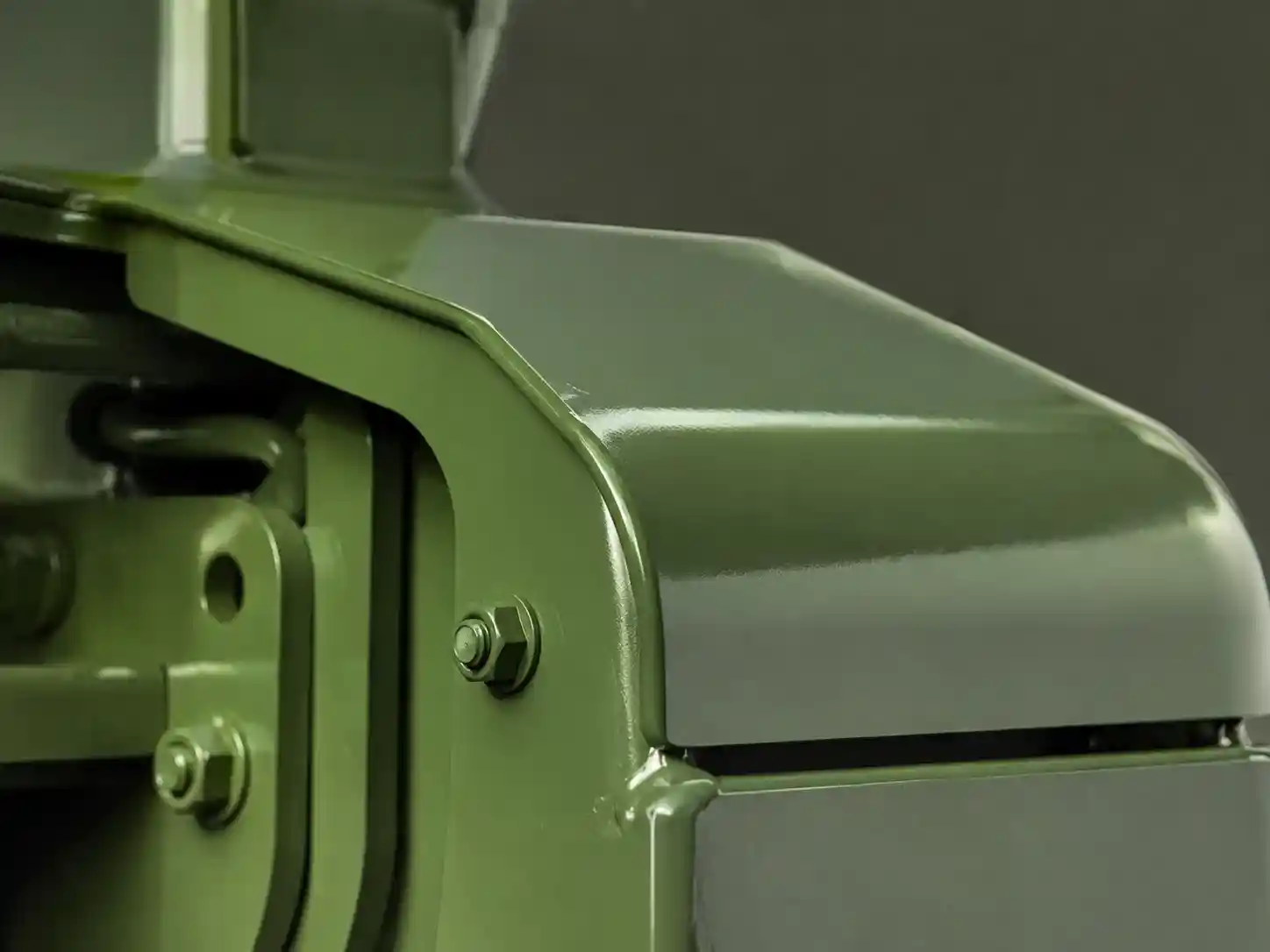
Super-durable powder coatings are designed for demanding outdoor exposure requiring approximately 11–18 years of weathering durability. They focus on long-term color and gloss retention and improved resistance to UV, humidity and corrosive environments. Typical applications include premium architectural aluminum profiles, façades and metal panels, automotive exterior parts, outdoor energy-storage equipment, charging-station housings and other metal products requiring stable long-term appearance and protection.
The current super-durable polyester powder coating range includes HAA smooth and TGIC textured systems. HAA products are TGIC-free and can serve relevant markets including Europe. TGIC textured products can provide finishes such as sand texture, with destination-market and PFAS compliance confirmed for the specific formulation. Selected products can be designed with reference to Qualicoat Class 2, AAMA 2604 and GB/T 5237.4-2017 Class II requirements, with low-temperature curing options at approximately 160°C.
The 11–18 year range is a product-positioning reference, not a warranty. Actual service life depends on climate, color, substrate, pretreatment, film thickness, coating system and exposure conditions.






Super-durable grades are suitable for harsh outdoor environments with long-term exposure and high UV radiation.
Typical applications include coastal high-salt-spray areas, high-altitude high-UV regions, building curtain walls and windows, outdoor furniture, construction machinery, and photovoltaic supports.
If the product requires a service life of more than 10 years with high color and gloss retention, a super-durable grade is recommended (QUVB-313, 500 h gloss retention ≥50%) to reduce the risk of early chalking and gloss loss associated with standard weather-resistant grades.
Standard durability:
High durability:
Super durability:
Actual selection should also consider local climate, color, gloss, required service life, and cost.
TGIC (triglycidyl isocyanurate) and HAA (β-hydroxyalkyl amide) are two major curing systems for outdoor powder coatings.
TGIC systems offer good water resistance, mechanical properties, and adhesion, with a relatively broad processing window.
They can cover high-durability to super-durable applications and are suitable for projects requiring durability, mechanical performance, and textured finishes; however, relevant regulatory restrictions on TGIC must be considered.
HAA systems are TGIC-free, offer better regulatory compatibility, can support lower-temperature curing, and provide good flow and yellowing resistance.
They are suitable for smooth, highly decorative applications and projects with higher environmental compliance requirements.
Selection:
Final selection should consider durability grade, service environment, regulatory requirements, and appearance.
TGIC has contact toxicity and skin-sensitizing properties, so strict protection is required during handling: wear a dust mask, chemical-resistant gloves, and safety goggles, and avoid inhaling dust or direct skin contact.
Production areas should have ventilation and dust-control facilities, and operators should undergo regular health checks.
A TGIC curing temperature of 180–200°C is recommended; insufficient temperature may cause incomplete curing and reduce water resistance and mechanical performance.
Store sealed and protected from moisture, and avoid contact with reactive substances such as amines and acids.
Waste should be handled in accordance with hazardous-chemical requirements and should not be discarded improperly.
HAA curing is relatively mild, with a comparatively longer gel time that allows bubbles within the coating to escape more fully.
Combined with an anti-yellowing defoamer (for example, 0.3–0.8% addition), it can produce pinhole-free coatings above 150 μm.
Powder coatings should be stored sealed in a dry, cool environment below 25°C.
Standard shelf life is typically 6–12 months, depending on the product.
High temperature, moisture, or prolonged storage may cause caking, reduced flowability, or changes in curing behavior.
Slight loose caking should not be judged usable simply by sieving.
For products beyond shelf life or exposed to abnormal storage conditions, inspect the powder condition and verify flow, appearance, and curing performance on test panels before use.
During summer transport, avoid prolonged high-temperature exposure and moisture; refrigerated transport is generally not required.