
Coating Challenges Across Multiple Parts and Environments

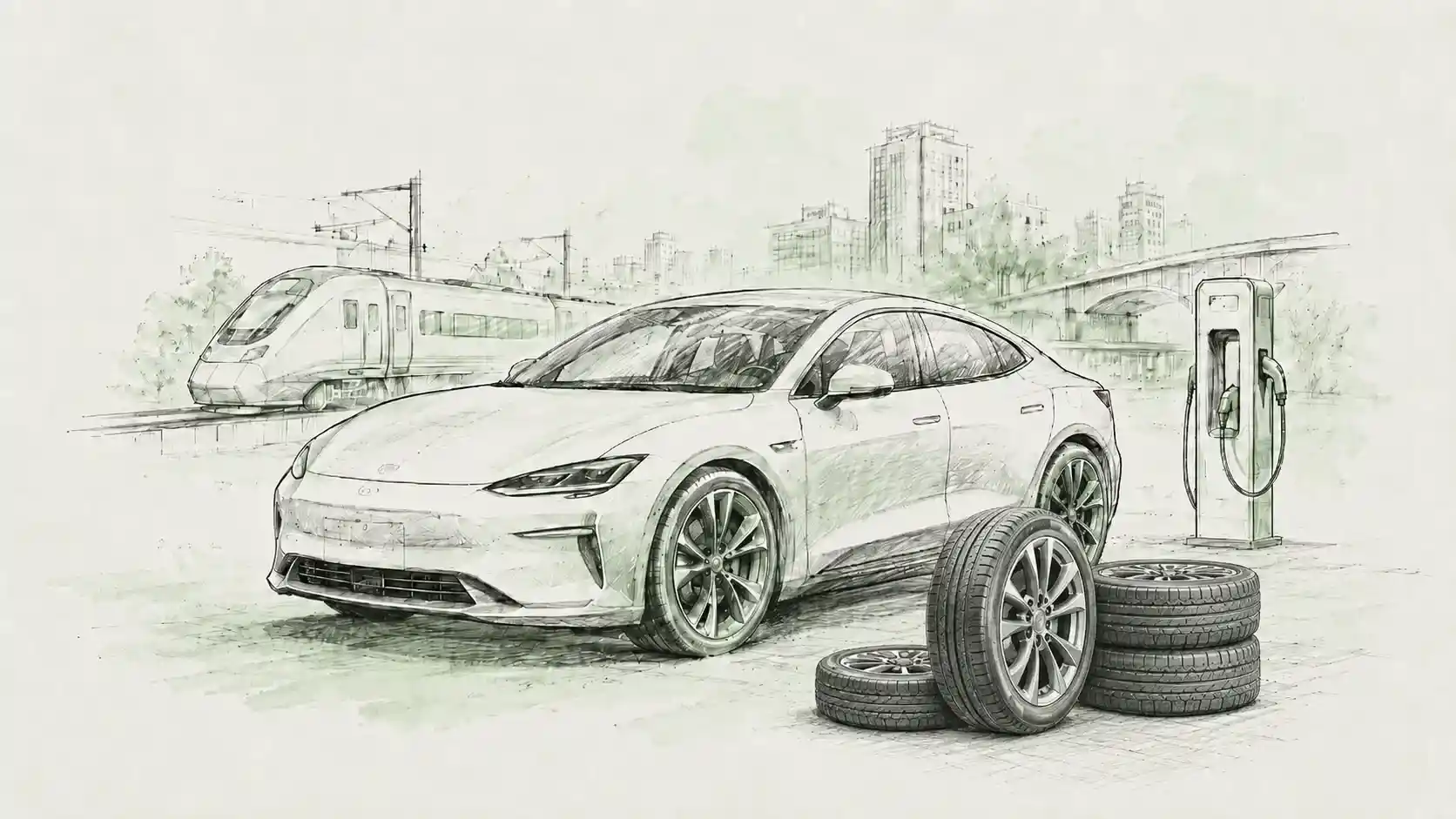
Automotive and transport applications include wheels, interior parts, functional components, commercial-vehicle structures and exterior parts. Components may face UV, salt spray, humidity, oil, vibration and impact. Coatings must combine appearance consistency, adhesion, corrosion protection and assembly compatibility. Multilayer systems such as wheels also require compatibility between primer powder, colour coat and clear coat.

Select the Coating System by Component Function

    • Functional parts: pure epoxy or epoxy-polyester systems.
    • Wheels: high-flow epoxy-polyester primer followed by colour and clear coats.
    • Exterior parts and commercial-vehicle components: standard, high or super-durable polyester according to exposure and target specification.
  • Veri Coating offers automotive primers, epoxy powders for functional parts, and HAA or TGIC polyester grades.
  • Where TGIC is permitted, it is usually more cost-effective at the same weathering level.

Specifications and Key Performance Indicators

  • Key properties include adhesion, impact, bending and chemical resistance.
  • Functional parts focus on salt spray, humidity and mechanical stability.
  • Exterior parts focus on gloss retention and colour change after xenon-arc exposure.
  • Wheel primers focus on flow, filling, intercoat adhesion and CASS performance.
  • Veri Coating wheel primer has been tested for 240 hours of copper-accelerated salt spray.

Multilayer Compatibility and Complex-Geometry Risks

Bolt holes, recesses and edges are prone to low film build, while insufficient degassing of castings can cause pinholes. Mismatched curing windows in multilayer systems may reduce intercoat adhesion. Wheels and decorative parts also require close control of flow, film thickness, gloss and compatibility with subsequent coats.

Future Trend: Lightweight Materials, Lower Cure and Multilayer Coordination

Automotive coatings will increasingly focus on lightweight-material compatibility, lower curing temperatures, thinner films and multilayer coordination. As electric vehicles expand, appearance, corrosion protection and insulation will become more integrated, and coating selection will be based more on component function and the complete coating build.

Business Case

Long-Term Wheel Primer Supply Project

Customer Profile

Two leading Chinese aluminum wheel manufacturers with automotive OEM mass-production capability, supplying major vehicle makers including Mercedes-Benz, BMW, Toyota, Volkswagen and General Motors.

Applications

Passenger-car aluminum wheels and commercial-vehicle steel and aluminum wheels.

Project Summary

A wheel-specific matte epoxy-polyester primer system used on mass-production wheel lines since 2015. Regular monthly supply and ongoing batch control support stringent consistency requirements. Cumulative sales have exceeded 3,000 tonnes.

Automatic powder application covers spokes, recesses and inner surfaces.

Requirements

Batch-to-batch consistency

Conceal casting surface imperfections

Maintain primer flow while controlling pinholes

Ensure reliable adhesion to the color coat

Support subsequent precision machining

Dark-colored wheels receive primer on an automated coating line.
Production wheels are checked for appearance and coating condition.
Primed wheels move through the continuous production line.
The coated wheel is precision-machined to create the final coated-and-cut finish.

Validation

Smooth, uniform finish

Good coverage in corners and recesses

Reliable color-coat compatibility

Suitable for precision machining

Validated on the production line

Finished appearance and machining quality across different wheel designs.
Product Used:HY0S_WheelWheel PrimerEpoxy-Polyester HybridMatte Smooth

Not sure which product fits your line?

Share your substrate, pretreatment and curing conditions with our technical team.

Talk to a Technician